
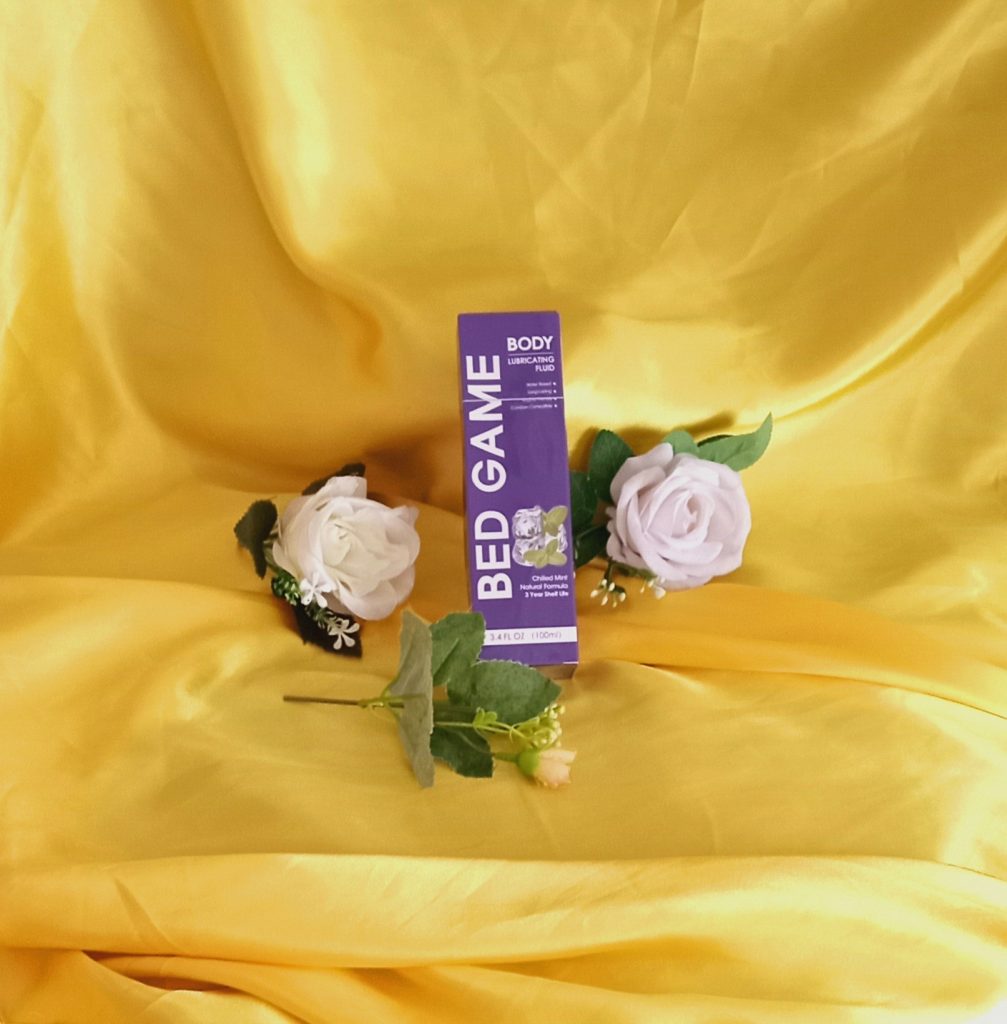
Whether you’re new to adult toys or adding to an existing collection, choosing the right lubricant can make a significant difference to your comfort, pleasure, and the lifespan of your toy. The right lubricant reduces friction, enhances sensation, and helps ensure a more enjoyable experience while protecting the materials your toy is made from.
This guide will help you understand the different types of lubricants and how to choose the best one for your needs.
Why Lubricant Matters
Many people assume lubricant is only necessary when there’s insufficient natural lubrication. In reality, lubricant offers several benefits for everyone:
- Improves comfort by reducing friction.
- Enhances the sensations of your toy.
- Makes insertion easier for insertable toys.
- Helps prevent irritation or discomfort.
- Protects delicate toy materials from unnecessary wear.
Using the correct lubricant can transform your experience from good to exceptional.
Know Your Toy Material
Before selecting a lubricant, it’s important to know what your toy is made from.
Common materials include:
- Medical-grade silicone
- ABS plastic
- Glass
- Stainless steel
- Metal
- Hard acrylic
- TPE/TPR (thermoplastic elastomer/rubber)
Different materials react differently with certain lubricants.
Water-Based Lubricants: The Best All-Round Choice
Water-based lubricants are widely considered the safest and most versatile option.
Best for:
- Silicone toys
- Plastic toys
- Glass toys
- Metal toys
- TPE/TPR toys
- Beginners
Benefits
- Compatible with almost every toy material.
- Easy to wash off with warm water.
- Gentle on sensitive skin.
- Won’t damage silicone toys.
- Safe to use with condoms.
Things to Consider
- May dry out during longer sessions.
- Can easily be refreshed with a small amount of water or additional lubricant.
Ideal if: You’re buying your first toy and want one lubricant that works with almost everything.
Silicone-Based Lubricants: Long-Lasting Performance
Silicone lubricants are known for their silky texture and exceptional longevity.
Best for:
- Glass toys
- Stainless steel toys
- Metal toys
Benefits
- Extremely long-lasting.
- Doesn’t dry out quickly.
- Excellent for extended sessions.
- Requires less frequent reapplication.
Important Warning
Avoid using silicone-based lubricants with silicone toys.
Over time, silicone lubricant can react with some silicone toy surfaces, potentially causing them to become sticky or damaged. Unless the toy manufacturer specifically states that silicone lubricant is compatible, it’s safest to avoid combining the two.
Oil-Based Lubricants
Oil-based lubricants are less commonly recommended for use with adult toys.
Benefits
- Long-lasting.
- Rich, smooth texture.
Drawbacks
- Can be difficult to clean.
- May stain fabrics and bedding.
- Not suitable for many toy materials.
- Not compatible with latex condoms.
Unless a toy manufacturer specifically recommends it, water-based lubricants are generally a safer choice.
Hybrid Lubricants
Hybrid lubricants combine water and silicone ingredients.
They aim to provide:
- Longer-lasting glide than water-based products.
- Easier cleanup than pure silicone lubricants.
Before using a hybrid lubricant with a silicone toy, check the manufacturer’s recommendations, as compatibility can vary.
Matching Lubricant to Your Toy
| Toy Material | Water-Based | Silicone-Based | Oil-Based |
|---|---|---|---|
| Silicone | ✅ Best Choice | ❌ Avoid | ⚠ Check manufacturer guidance |
| ABS Plastic | ✅ Yes | ✅ Yes | ⚠ Usually not recommended |
| Glass | ✅ Yes | ✅ Excellent | ⚠ Check manufacturer guidance |
| Stainless Steel | ✅ Yes | ✅ Excellent | ⚠ Check manufacturer guidance |
| Metal | ✅ Yes | ✅ Excellent | ⚠ Check manufacturer guidance |
| TPE/TPR | ✅ Recommended | ⚠ Check manufacturer guidance | ❌ Usually avoid |
If You Have Sensitive Skin
Look for lubricants that are:
- Fragrance-free.
- Dye-free.
- Glycerin-free if you’re prone to irritation.
- Paraben-free if you prefer minimal ingredients.
If you’re trying a new product, it’s a good idea to do a small skin patch test first.
Cleaning Your Toy After Use
Using lubricant also means proper cleaning is important.
After every use:
- Wash the toy using warm water and a mild toy cleaner or gentle soap (following the manufacturer’s instructions).
- Rinse thoroughly.
- Dry completely with a clean, lint-free towel.
- Store the toy in a clean storage bag or container away from dust.
Proper cleaning helps extend the life of your toy and keeps it hygienic.
Common Mistakes to Avoid
- Using silicone lubricant with silicone toys unless the manufacturer confirms compatibility.
- Applying too little lubricant—add more if needed for comfort.
- Using household products such as lotions, petroleum jelly, or cooking oils as substitutes, as they can damage toys and are not designed for intimate use.
- Forgetting to clean toys thoroughly after use.
Final Thoughts
Choosing the right lubricant is just as important as choosing the right toy. For most people, a quality water-based lubricant is the safest and most versatile option because it is compatible with nearly all toy materials, easy to clean, and suitable for beginners and experienced users alike.
If you’re using toys made from glass or stainless steel and want a longer-lasting glide, a silicone-based lubricant can be an excellent choice. The key is always to match the lubricant to your toy’s material and follow the manufacturer’s care instructions.
With the right combination of toy, lubricant, and proper cleaning, you’ll enjoy a more comfortable, satisfying, and long-lasting experience while helping to keep your products in excellent condition.